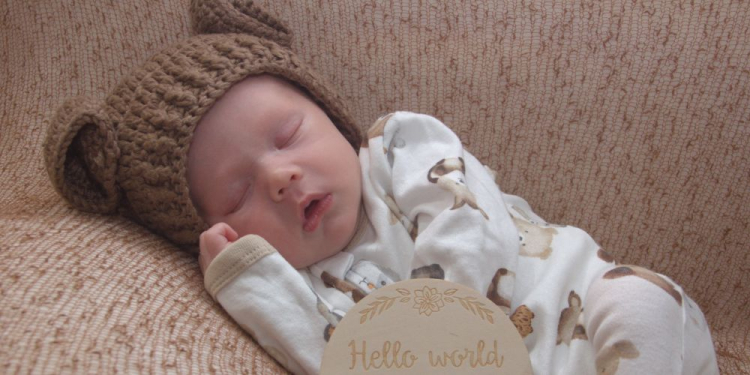
The first babies have now been born through the donor arm of Victoria’s Public Fertility Care program, marking a key milestone and highlighting a growing need for egg and sperm donors.
One of those babies is Hudson, after his parents Samantha and Mick spent nearly six years trying to have a child.
After years of trying without success, they turned to private IVF, leaving them thousands of dollars out of pocket.
“We knew we couldn’t afford a second or third round privately,” Mick says.
Their specialist referred them to Public Fertility Care, a statewide fertility option led by the Women’s. They began treatment using their own eggs and sperm before moving to a donor pathway after another unsuccessful cycle.
In their case, Samantha’s sister stepped forward to donate her eggs.
The process involved medical and genetic screening as well as counselling for both families, before moving through to treatment.
The first embryo transfer was successful, and Hudson was born in April.
Their experience reflects one of two pathways within the public donor program: using a known donor. The other pathway allows patients to access a clinic-recruited donor through Australia’s first public egg and sperm bank.
Donor need increasing
Clinicians say the births mark an important step for the program, but also highlight increasing demand among patients who need donor eggs or sperm.
Associate Professor Wan Tinn Teh, Co‑Medical Director of Public Fertility Care at the Women’s, says more people are coming forward who are unable to use their own gametes.
“There is a real and ongoing need for donors,” she says.
Not all patients have a family member or friend who can donate, making the public egg and sperm bank a critical option.
The donor program includes recruitment, medical and genetic screening and counselling, with only a proportion of people who express interest going on to donate.
For patients relying on the public bank, treatment depends on donor availability.
The service is encouraging more people to consider donating, including those who may have frozen eggs or sperm they no longer plan to use.
Raising awareness
Samantha says she hopes sharing their experience helps others understand both the challenges of infertility and the role of donors.
“We didn’t know how common it was until we started going through the process,” she says.
She says donor pathways were critical in making their son’s birth possible and will be for many other families now entering the program.
Funded by the Victorian Government, the Women’s leads Public Fertility Care. Together with 10 partner health services across Victoria, Public Fertility Care makes it easier and fairer for Victorians to try for a family.
Learn more about Public Fertility Care and the egg and sperm bank.
Read related content from the Women's
-
 More families benefit from public fertility care
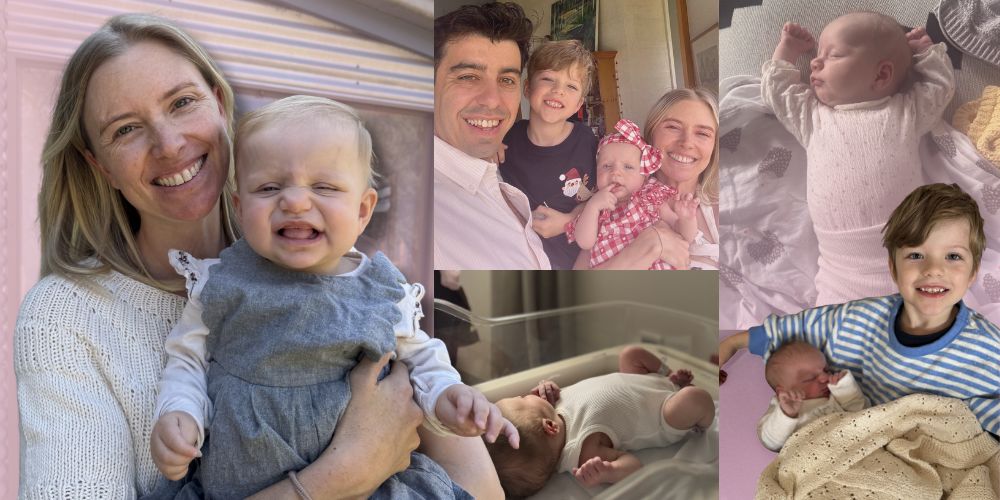
When Melbourne parents Jess and Simon needed fertility treatment, private IVF felt both emotionally and financially out of reach. Instead, they turned to Public Fertility Care, which helped them conceive their second child.
Learn more -
 Victoria’s Public Fertility Care celebrates 150 babies milestone
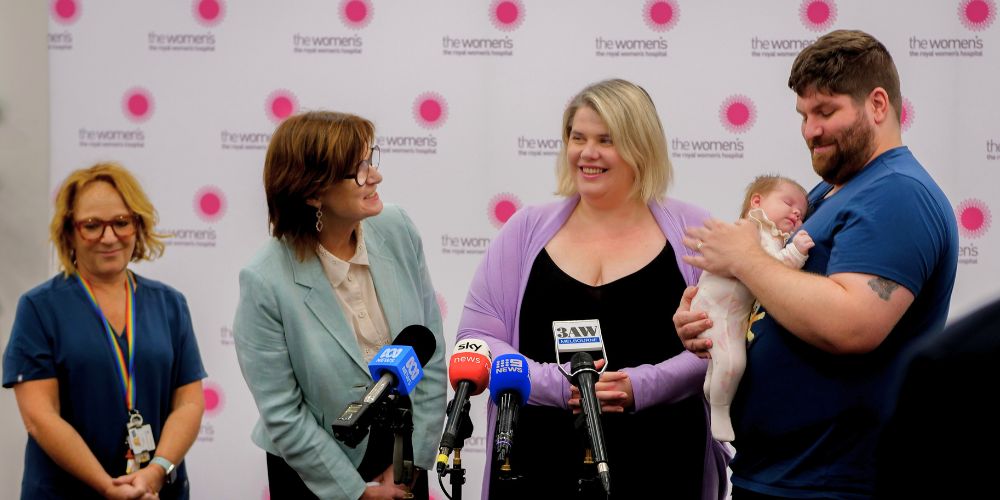
Baby Xena is one of 155 babies born with the help of Public Fertility Care, Victoria’s free IVF service proudly led by the Women’s.
Learn more