A year after launching a program to improve abortion and contraception access in regional Victoria, the Royal Women's Hospital is helping regional health services build the skills, support and infrastructure needed to provide more care locally.
The Jack Brockhoff Foundation provided more than $500,000 to support this groundbreaking project. The work is now underway in Sunraysia and Swan Hill. There are plans to expand to other areas of regional Victoria.
Where a woman lives can still affect the care she receives.
Some travel long distances for care. Others face delays because there are few local providers. Victoria leads Australia in access to abortion care, yet 67% of Victorian local government areas have no surgical abortion provider.
Data from Women's Health Victoria's 1800 My Options service shows callers from low-disadvantage regional areas are 133% more likely to be calling after nine weeks' gestation than callers from low-disadvantage areas of metropolitan Melbourne. Callers from high-disadvantage regional areas are 242% more likely.
Associate Professor Paddy Moore AM is leading the way at the Women’s with Jack Brockhoff Foundation’s support. She says improving access to reproductive care starts with local healthcare workers.
"Abortion law reform in 2008 was a necessary change, but insufficient," A/Prof. Moore said. "When a type of care is criminalised for decades, it stops being taught. That means fewer clinicians have the skills and confidence to provide it. Rebuilding those skills takes time."
Over the past year, the Women's has worked closely with local health services to strengthen abortion and contraception care. Local doctors, nurses and midwives have been supported to build their skills. The program has also helped services expand the equipment and support needed to provide care closer to home.
A/Prof. Moore said the work is focused on creating lasting change.
"Women want care close to home," she said. "They want to be near their families and support networks. Our role is to help local services build the confidence and expertise to provide that care."
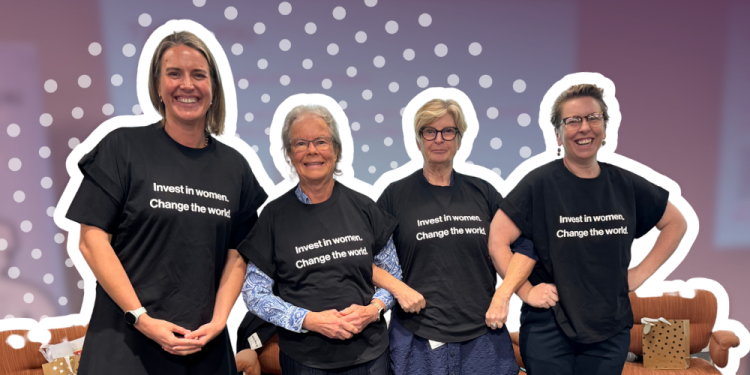
The program's early progress was recently showcased at a reproductive healthcare equity forum convened by the Jack Brockhoff Foundation, not-for-profit Australians Investing in Women and hosted by wealth management fund JBWere.
Panellists Dr Jo Wainer AM, A/Prof. Moore and Dr Megan Helper, with moderator Sally Hasler of Women's Health Victoria, challenged assumptions about abortion care and considered how to make it a normal, routine and accessible part of healthcare. The discussion highlighted how barriers to care affect not only women, but also their partners and families.
The forum identified four priorities for change:
- Strengthen provider capability through research into effective training approaches that build confidence and competency in abortion care.
- Build community infrastructure that supports women to navigate services and access safe, affordable care, particularly in regional and disadvantaged areas.
- Challenge stigma through ongoing conversations in communities and among healthcare providers, embedding abortion as an essential part of women's healthcare.
- Explore safe, evidence-based digital tools, including AI, to help people find reliable information and navigate care.
Dr Wainer closed the discussion with a call to action: "The women who have abortions also have our babies and they deserve our care."
At the event, Louise Kuramoto, Executive Officer of the Jack Brockhoff Foundation, noted the Foundation saw the value in the Women's approach.
"This initiative goes beyond service delivery. It builds a skilled local workforce, breaks down barriers to reproductive care and lays the groundwork for systemic change shaped by local realities and the people who deliver and use these services.” Ms Kuramoto said.
Ms Kuramoto said the funding would help build a skilled local workforce and reduce barriers to care.
A/Prof. Moore said the support had helped turn long-standing ambitions into action. "Instead of just talking about decentralisation for years, you’ve made it happen for our services."