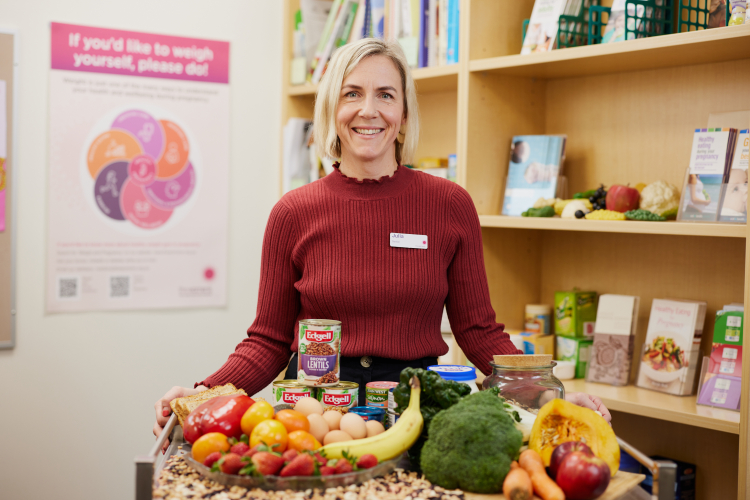
As World Breastfeeding Week 2026 shines a spotlight on creating sustainable support for breastfeeding families, experts from the Women's say affordability is an important part of the conversation.
At a time when many households are feeling the pressure of rising living costs, breastfeeding remains the most economical way to feed an infant – because it’s free!
The 2026 World Breastfeeding Week theme, "Breastfeeding for a Sustainable Start in Life: Strengthen What Works", focuses on the practical supports that help families meet their feeding goals.
For manager of Nutrition & Food Services at the Women's, Dr Julia Zinga (PhD), that includes helping families understand that breastfeeding itself does not require a long list of additional products, specialty foods or supplements.
"Good nutrition for breastfeeding looks a lot like good nutrition for the rest of the family."
That can come as welcome news for parents who are often confronted with marketing promoting organic foods, lactation products and specialised supplements as must-haves. While nutrition plays an important role during breastfeeding, Julia says many families can meet their needs through practical, everyday food choices.
Take the weekly grocery shop. A healthy eating pattern can be built around a wide variety of foods, including frozen vegetables, canned lentils and beans, and conventionally grown produce.
"Supporting breastfeeding doesn't require expensive foods or a perfect diet. Many of the nutrients parents need can come from affordable everyday foods such as eggs, milk, yoghurt, wholegrains, lentils, baked beans, frozen vegetables and seasonal produce. When budgets are tight, focusing on family meals and a variety of generic brand nutritious foods is often more important than buying premium products. Practical choices at the supermarket can help families put healthy meals on the table while keeping food costs manageable."
The same principle applies to the growing market for lactation cookies, teas and powders. These products are often promoted as solutions for milk supply concerns, but their cost can quickly add up over weeks or months.
"It's understandable that parents look for quick solutions when they're worried about breastmilk supply, particularly during challenging times. Often the breastmilk supply is not low and breast changes or changes in the baby’s feeding are normal. However, concerns about supply should be assessed individually, as the causes can vary. Getting support early can help identify what's happening so that families receive advice that is tailored to their circumstances, rather than relying on expensive products that may not address the underlying issue."
Supplements are another area where parents can feel pressured to spend. Rather than taking multiple products "just in case", Julia encourages an individualised approach.
"Breastfeeding parents are often targeted by marketing for a wide range of vitamins and supplements, but most do not need any, or multiple products. While some people may need certain supplementation because of dietary restrictions, underlying health conditions, or diagnosed deficiencies. Supplementation should be guided by evidence and individual needs. Focusing on nutritious everyday foods first can help both health and household budgets."
Importantly, affordability doesn't mean abandoning culture or tradition. Many families already have nutrient-rich postpartum foods and meal traditions that can support breastfeeding without requiring costly alternatives.
For many families, one of the most practical ways to support breastfeeding is to keep food simple. Rather than creating additional pressure to prepare special meals or purchase breastfeeding-specific foods, families can focus on shared meals that work for everyone. This approach can help reduce both grocery costs and the mental load that often comes with feeding a new baby while managing family life.
"Breastfeeding parents don't need to prepare separate meals for themselves. Family favourites such as pasta with lentils and vegetables, stir-fries, curries, soups, grain bowls or casseroles can provide the nutrients needed to support breastfeeding while feeding the whole household. Keeping meals simple can reduce both food costs and the mental load that comes with preparing multiple dishes each day."
This year's World Breastfeeding Week campaign emphasises strengthening the supports that are already known to work. For Julia, that includes evidence-based nutrition advice that is realistic, affordable and easy to sustain. When breastfeeding support is grounded in a family's budget, culture and everyday routines, parents may feel better equipped to continue breastfeeding for as long as they choose.
For more information check out our factsheets on breastfeeding.
Read related content from the Women's
-
 Advice for pregnant and breastfeeding women
If you're pregnant or breastfeeding, you may be feeling anxious about how COVID could affect you and your baby.
Learn more -
Breastfeeding Service
The Breastfeeding Service offers information and support to breastfeeding mothers up to three months after they have given birth at the Women’s.
Learn more -
 Breastfeeding support for mothers with diabetes
The complications experienced by women with diabetes in pregnancy can be a barrier to successful breastfeeding. Affected women are at risk of delayed lactation, are less likely to breastfeed exclusively, and have a shorter duration of breastfeeding.
Learn more