The Royal Women's Hospital has launched the world's first clinical trial in pregnant women of a new therapy designed to target the biological pathway believed to drive pre-eclampsia, one of the most serious and potentially life-threatening complications of pregnancy.
Despite decades of research, treatment options for pre-eclampsia have changed little. For women with severe disease, the only definitive treatment remains delivery of the baby and placenta, often resulting in premature birth.
Developed by US biotechnology company Comanche Biopharma, the investigational therapy is being studied in a phase 1b clinical trial focused on safety and dose finding. It is the first time the treatment has been administered during pregnancy.
The study also represents an important step towards addressing the longstanding underrepresentation of pregnant women in clinical research, which has limited the development of evidence-based treatments for pregnancy-specific conditions.
Pre-eclampsia affects around five per cent of pregnancies and can lead to serious health complications for both mother and baby. In severe cases, clinicians may have no option but to deliver the baby early, sometimes weeks before its due date.
The Women's Chief Medical Officer Dr Nicola Yuen said the trial represents an important milestone for maternal health research.
"Pre-eclampsia remains one of the most serious complications of pregnancy, and treatment options have changed little over many decades."
"This study is an important step towards understanding whether new therapies can safely target the disease itself, rather than relying solely on early delivery to protect mothers and babies," Dr Yuen said.
"It also reflects a growing recognition that women deserve treatments that have been properly studied during pregnancy, rather than relying on evidence generated elsewhere."
"We're proud the Women's is leading this first-in-pregnancy study and contributing to advancing research for women and families affected by pre-eclampsia."
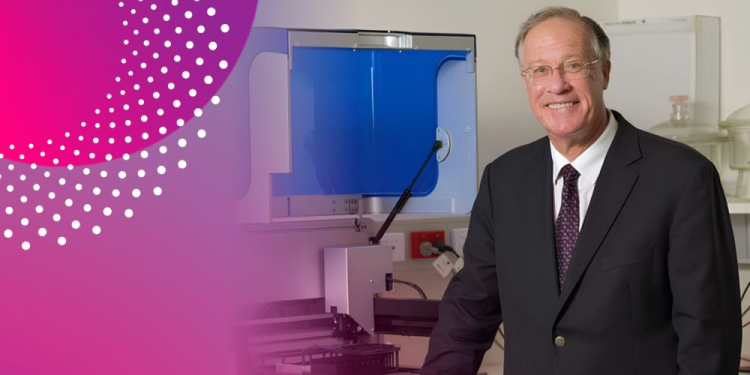
The trial is led by obstetrician Professor Shaun Brennecke AO, one of Australia's leading pre-eclampsia researchers and Director of Pregnancy Research at the Women's.
"For women with severe pre-eclampsia, the only definitive treatment we currently have is to end the pregnancy and deliver the baby, even if the mother is only part way through her pregnancy," Professor Brennecke said. “For a baby, this can mean out of the frying pan of preeclampsia and into the fire of prematurity.”
"This new therapy has been designed to target a biological pathway strongly linked to the disease. While this early study is focused on safety, it represents an important step in testing whether we can one day treat the condition itself," Prof. Brennecke said.
"The safety of mothers and babies will always come first. Participants are being closely monitored throughout the study, with intensive clinical oversight and independent safety review."
The Women's became the first site globally to enrol and treat a participant in the trial and was selected because of its expertise in pre-eclampsia care, research and high-risk maternity services. Additional Australian sites are now recruiting participants.
Comanche Biopharma CEO Dr Scott Johnson said the company had deliberately taken a cautious and evidence-based approach to progressing the treatment into pregnancy studies.
"Pregnant women have historically been underrepresented in clinical research, despite facing serious health conditions such as pre-eclampsia."
"The launch of this study marks an important milestone after years of laboratory research, preclinical testing and regulatory review," Dr Johnson said.
"The Royal Women's Hospital has been an outstanding partner and was a natural choice to lead this first-in-pregnancy study because of its expertise in pre-eclampsia and commitment to patient safety."
Researchers emphasise that the study is designed to assess safety and determine the appropriate dose for future research. If successful, larger international studies would be needed to evaluate whether the therapy can improve outcomes for women and babies affected by pre-eclampsia. Any future treatment would require several further stages of clinical research before becoming part of routine care.