-
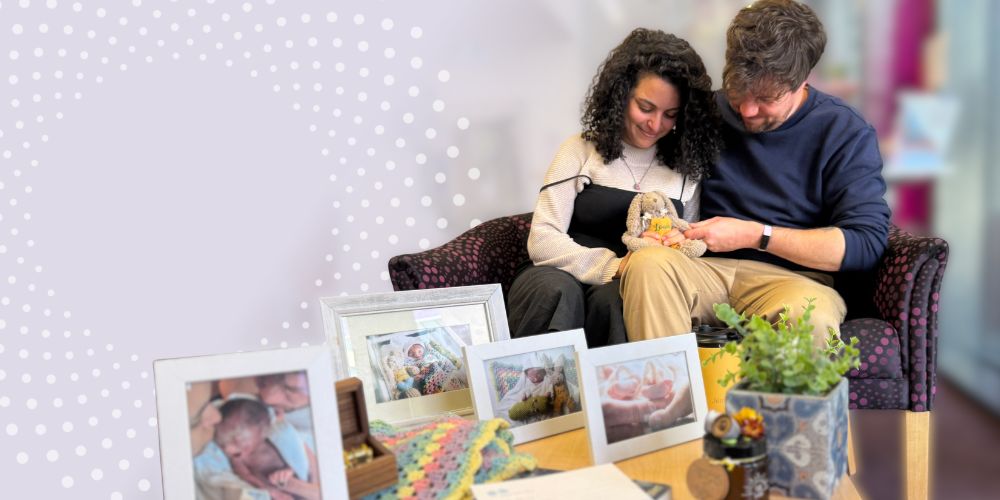 Louis’s legacy helping families spend precious time together
For Jemma and Dale, Louis will always be part of their family. They talk about him often. They say his name. They share stories about him with family and friends. During Pregnancy and Infant Loss Awareness Month, they are sharing his story to encourage others to do the same.
Learn more -
_(1000_x_500_px)_(1).jpg) Celebrating the people driving excellence at the Women’s
Celebrating the people driving excellence at the Women’sTwenty staff members and volunteers and two teams were recognised for their dedication at this year’s Staff Excellence Awards.
Learn more -
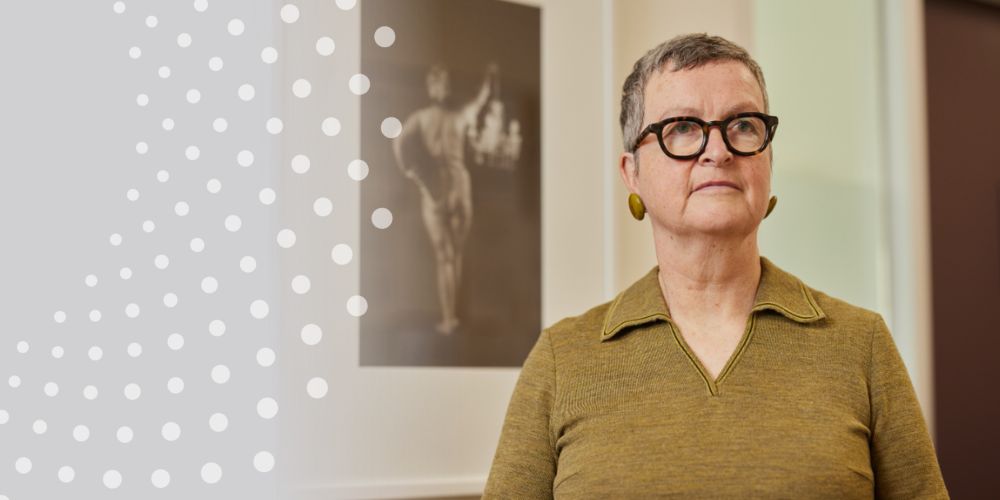 Putting women’s brain health on the agenda
Why are women more affected by dementia than men? It's a question Professor Martha Hickey is trying to answer. Professor Hickey is the Head of Menopause Services at the Royal Women’s Hospital. She leads international research into how menopause may affect brain health and dementia risk, and what can help support brain health as women age.
Learn more -
 Considering egg freezing? New resource helps women weigh their options
Women considering egg freezing now have access to a free, independent and evidence-based online resource developed by the Royal Women's Hospital and the University of Melbourne to help them navigate one of the most personal and complex fertility decisions they may face.
Learn more -
_(1000_x_500_px).jpg) New Aboriginal Workforce Plan puts strong roots at the heart of growth
New Aboriginal Workforce Plan puts strong roots at the heart of growthThe Women’s has launched its Aboriginal Workforce Plan 2026–2030, setting out a four-year approach to creating a workplace where Aboriginal and Torres Strait Islander people can thrive, lead and succeed.
Learn more -
.png) Turning great ideas into meaningful change
Turning great ideas into meaningful changeWhat started as a thought in the back of social worker Faith’s mind is now making a real difference and helping some of the Women’s most vulnerable families.
Learn more -
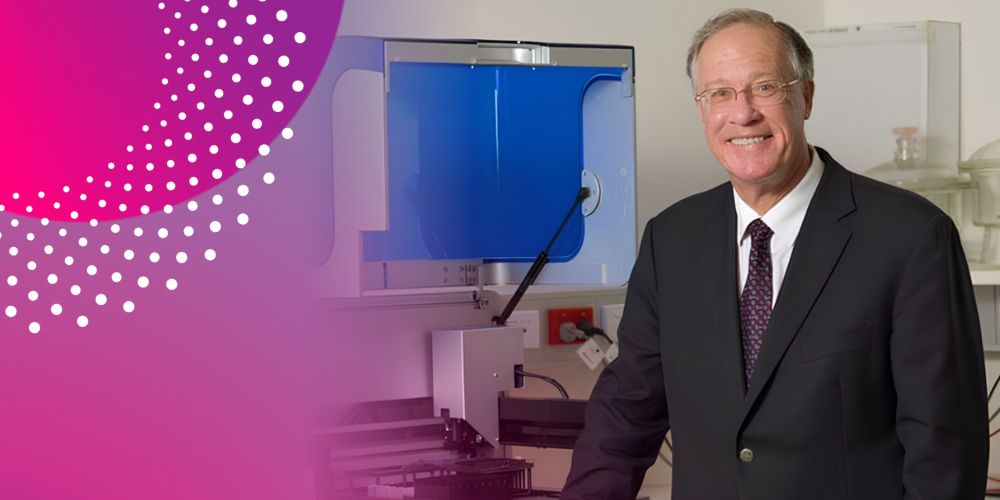 The Women’s leads world-first trial of potential new treatment for pre-eclampsia
The Royal Women's Hospital has launched the world's first clinical trial in pregnant women of a new therapy designed to target the biological pathway believed to drive pre-eclampsia.
Learn more -
_(1000_x_500_px)_2.png) Celebrating decades of dedication
Celebrating decades of dedicationMore than 180 staff have been recognised for their incredible dedication and passion as they mark their longstanding service to the Women’s.
Learn more -
_(1000_x_500_px)_1.png) Landmark AIROPLANE trial provides new evidence to inform care of premature babies
Landmark AIROPLANE trial provides new evidence to inform care of premature babiesA large Australian study involving more than 1,800 premature babies has provided new evidence to guide the use of oxygen during the first minutes after birth.
Learn more -
 The Women’s appoints Professor Natalie Hannan as Director of Research
The Royal Women's Hospital is delighted to announce the appointment of Professor Natalie Hannan as Director of Research.
Learn more