Director

Professor Peter Davis
Peter trained in Brisbane and at McMaster University, Canada where he developed an interest in Clinical Epidemiology and Evidence Based Medicine. He became Professor/Director of Neonatal Medicine at The Royal Women’s Hospital in 2009 and retired from the post in 2026.
He has a keen interest in the dissemination of highest quality medical evidence to practitioners and consumers and is a member of the Cochrane Collaboration. His other research interests include alternative methods of respiratory support of premature babies, neonatal resuscitation and identification of important outcomes of neonatal intensive care. He has considerable experience in the design and conduct of international collaborative randomized controlled trials.
Peter remains involved in neonatal research and continues to mentor the next generation of academic neonatologists.
Interim Director
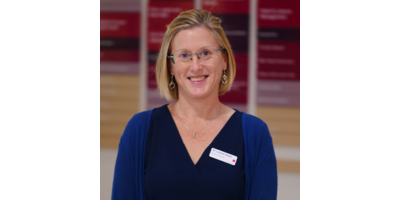
A/Professor Louise Owen
Louise completed her undergraduate and specialist Neonatal medical training in the UK, she then relocated to the Royal Women’s Hospital, Melbourne in 2006. She undertook a higher research degree, awarded in 2011. Louise now divides her time between her work as a clinical Neonatal Consultant in the Newborn Intensive Care Unit at the Women’s, and her clinical research through Melbourne University.
Louise’s research focuses on newborn resuscitation and breathing support strategies for premature babies. Louise also has expertise in consent for newborn research. Louise has been continually supported with grants from the NHMRC since 2014, she is part of the Newborn Research Department within the University of Melbourne Department of Obstetrics, Gynaecology and Newborn Health, where she leads the Respiratory Support Group. Louise is also a Chief Investigator in the Extremely Preterm Infant Centre of Research Excellence through the MCRI.
Louise has led important clinical trials in newborn respiratory support, collaborating internationally and producing high profile publications that have resulted in direct improvements in clinical care for premature babies worldwide.
Deputy Director
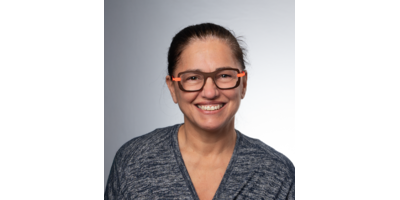
Dr Marta Thio-Lluch
A/Prof Marta Thio MD PhD is a Consultant Neonatologist with senior roles at the Royal Women’s Hospital, in the Gandel Simulation Service and as Medical Educator with the Paediatric Infant Perinatal Emergency Retrieval (PIPER) service. She aims to optimise interventions in the delivery room, and to improve clinical practice through education and training. She is a content expert reviewer within the ILCOR Neonatal Task Force, the Neonatal Deputy convenor of the Australian Resuscitation Council and the content codeveloper of the Neoresus training program. She has contributed with about 30 peer reviewed publications in the last 5 years, most of them in the field of neonatal transition.
Researchers
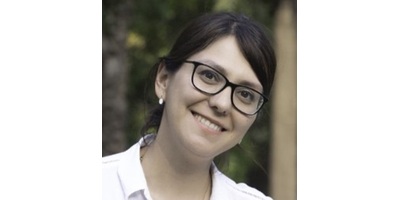
Dr Tugba Alarcon-Martinez
Tugba is a Canadian, Turkish and Australian trained neonatologist who works as Neonatal Research fellow at the Women’s. Her clinical and research interests include improving the outcomes for extremely preterm newborns, with an emphasis on enhancing their delivery room care and long term respiratory outcomes.
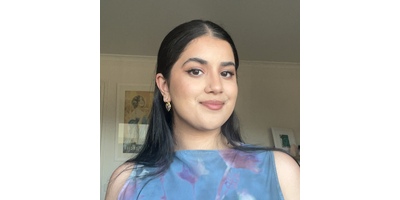
Miss Izza Ayub
Izza is an Administration Assistant in the Newborn Research team, where she supports clinical and research initiatives. She has completed a Bachelor of Biomedical Science (Honours) at Monash University, where her research focused on understanding how socioeconomic factors and ethnicity influence pregnancy outcomes. Izza has a strong interest in perinatal health equity and is passionate about improving outcomes for parents and newborns through research.
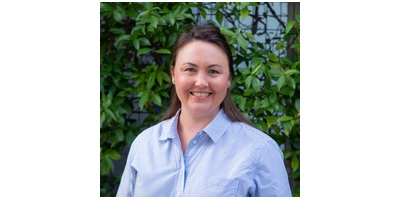
Dr Elizabeth Baker
Liz is a neonatologist working at The Women’s. Liz trained in Melbourne and completed her PhD investigating the safety of cell therapy in extremely preterm infants at University of Melbourne in 2021. Her research interest lies in improving the breathing outcomes of preterm babies. Liz’s work uses new techniques to better understand the trajectory of lung disease in preterm babies, studies the outcomes that important for children and their families, and trials new treatments to improve lung health.
A/Prof Risha Bhatia
A/Prof Risha Bhatia is the Director (Medical) of Neonatal Services. She trained in the Republic of Ireland and Melbourne. Her clinical and research interests lie in better understanding neonatal respiratory physiology in order to optimise non-invasive ventilation supports. She collaborates on trials to improve outcomes for unwell newly born infants. She has an interest in neonatal retrieval and also works with the Paediatric Infant Perinatal Emergency Retrieval (PIPER) service. She is actively involved in the quality and safety activities of the unit.
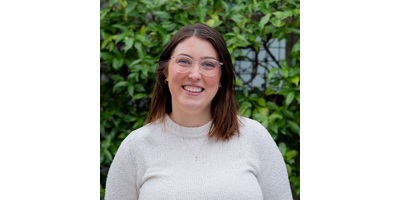
Ms Rachel Brooks
Rachel is a Neonatal Research Nurse in Newborn Research. She completed her undergraduate nursing degree at the University of Adelaide in 2017. After working in the Newborn Intensive and Special Care nurseries for eight years at Adelaide’s Women’s and Children’s Hospital, The Women’s, and The Royal Children’s, she joined the neonatal research team. She currently divides her time between clinical work in the Women’s NICU and her role as a research nurse. Rachel completed her postgraduate neonatal training in 2018 and a Master of Public Health in 2023. She has also worked as a trial coordinator at the Department of General Practice at the University of Melbourne. Her responsibilities include explaining studies to parents, obtaining consent, data collection and entry, educating staff, and presenting study results both verbally and in writing.
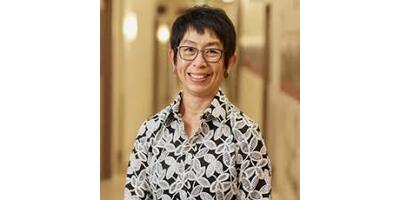
Professor Jeanie Cheong
Jeanie Cheong is a consultant neonatologist with expertise in neonatal neurology, neuroimaging and long term follow up. Jeanie is a Honorary Professorial Fellow with the Department of Obstetrics & Gynaecology, and Dept of Paediatrics at the University of Melbourne. Jeanie is based at the Royal Women’s Hospital in Melbourne, where she is the lead Clinician in the High Risk Newborn Follow Up Clinic.
Jeanie’s research expertise is in the long-term health and developmental outcomes of high-risk infants especially those born preterm. She led the first Australian study of moderate and late preterm children, findings of which have significantly increased the understanding of development sequelae of a previously understudied group of children.
Jeanie is the Group Leader of the Victorian Infant Brain Studies group, a research team based at the Murdoch Children’s Research Institute in Melbourne, which focuses on understanding brain development of preterm newborns and improving their outcomes through various intervention studies. She is also the Convenor of the Victorian Infant Collaborative Study, a world-leading research team in epidemiological cohorts of extremely preterm newborns. Jeanie will also lead the recently NHMRC-funded Extremely Preterm Infant Centre for Research Excellence, which aims to optimise the lives of extremely preterm infants and their families.
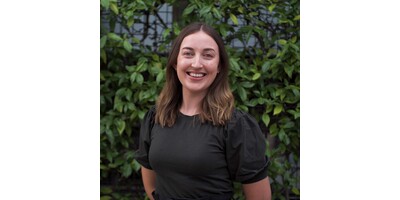
Ms Erin Cummings
Erin is a Neonatal Research Nurse and Clinical Nurse Specialist who works in Newborn Research and in the Neonatal Intensive Care Unit at Royal Women’s Hospital. She has a passion for improving health outcomes through research for premature and sick babies. Erin has completed a Bachelor of Science (Physiology), Master of Nursing Science, and Graduate Certificate in Neonatal Intensive Care through the University of Melbourne. She is a member of the Research Advisory Committee, whereby she supports researchers to design studies that are the most appropriate fit morally and logistically for our patients at the Royal Women’s. Erin’s role includes trial management and governance, data collection, discussing research consent with families, and staff education.

Dr Rocco Cuzzilla
Rocco Cuzzilla has been a Consultant Neonatologist at the Women’s since 2015. He is a Senior Clinical Lecturer in the Department of Obstetrics, Gynaecology and Newborn Health at The University of Melbourne, and Honorary Research Fellow, Royal College of Surgeons in Ireland. He is an Appointed Member of the Advanced Training Committee in Neonatal Perinatal Medicine, Royal Australasian College of Physicians, and Clinical Lead of the Neonatal Fellowship Program at the Women’s.
Rocco’s clinical and research interests include neonatal neurology, neuroimaging, developmental follow-up, and fetal medicine. His PhD, awarded from The University of Melbourne in 2020, explored the utility of cranial ultrasound measures of early postnatal brain growth to predict neurodevelopment in very preterm infants. He has expertise in performing cranial ultrasound and assessing neuroimaging in newborns. He enjoys teaching medical students and medical, midwifery and nursing staff, and providing supervision to trainees and higher-degree students.
Dr Jennifer Dawson
Jennifer joined the Royal Women’s Hospital as a Neonatal Research Nurse in November 2005 and is now an Honorary Research Fellow with the Newborn Research team. She trained as a nurse in Canberra and as a midwife in Scotland. She completed a MN (Research) at the University of Sydney in 2003 and a PhD at the University of Melbourne in 2010. Her research has led to over 100 peer-reviewed publications with many incorporated into national and international guidelines for neonatal delivery room management of newly born infants.
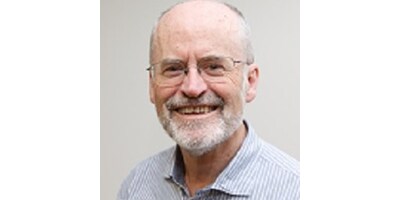
Professor Lex Doyle
Professor Doyle has worked in the field of neonatal paediatrics for almost 50 years. He was first appointed to the Department of Obstetrics and Gynaecology in the University of Melbourne in 1978 and worked exclusively in neonatal paediatrics until 2006, when he stopped working in the nursery at the Royal Women’s Hospital. As well as training in Melbourne, he was fortunate to work and train for 3½ years in Canada, at McMaster University, where he met and worked with many esteemed international colleagues in neonatal paediatrics.
Professor Doyle has major research interests in evaluating neonatal intensive care, including how to improve on that care, and its economic consequences. He is or has been a chief investigator on many randomised controlled trials of interventions designed to improve the outcome for the tiniest and most immature babies. He has led several research groups interested in the outcome for tiny babies well beyond the nursery and into adulthood; these are the Premature Infant Follow-up Programme at the Women's, and the Victorian Infant Collaborative Study Group. As a consequence of his research activities, he has almost 700 scientific publications, one book, and two completed theses (MSc [McMaster]; MD [Melbourne]) to date (2024).
Professor Doyle resigned from both the University of Melbourne and the Royal Women's Hospital recently, but maintains emeritus positions at both sites. He continues to be active in research designed to improve the long-term outcomes of our tiniest and most immature babies.

Dr Abbey Eeles
Abbey is an occupational therapist and post-doctoral research fellow who specialises in paediatric and neonatal developmental therapy. She is an experienced parent educator and has specialised training in the parent-infant attachment relationship and neurodevelopmental assessment of preterm and high-risk infants. Abbey is the principal investigator of a consumer-driven feasibility trial of Mindful Self-Compassion for Parents in the Neonatal Intensive Care Unit (NICU), and she coordinates the TEDI-Prem study (Telehealth for Early Developmental Intervention in babies born very preterm): a multi-site randomised controlled trial of an intensive early intervention that aims to improve neurodevelopmental outcomes and parental well-being of very preterm infants (<32 weeks). Abbey is passionate about understanding how neuroprotective and rehabilitative interventions delivered in the NICU and across early childhood support parent mental health, strengthen parent-infant relationships, and improve developmental outcomes in preterm infants. With expertise in implementation science and knowledge translation, she co-facilitates the Lived Experience Network for the Extremely Preterm Infant Centre of Research Excellence (EPIC), ensuring lived experience is embedded in research for meaningful outcomes.
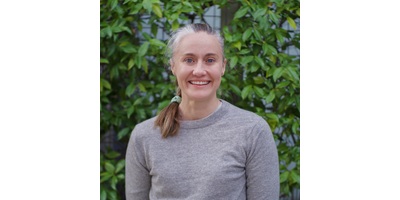
Dr Kristin Ferguson
Kristin is currently an Honorary Neonatal Research Fellow at the Royal Women’s Hospital. She is the first Neonatal Trainee to be awarded a MACH-Track Fellowship supporting her to undertake a PhD alongside clinical training. In 2025, she commenced a PhD in the Department of Obstetrics, Gynaecology and Newborn Health through the University of Melbourne investigating a fundamental principle underlying all forms of respiratory support for extremely preterm infants: can lower gas flows during stabilisation at birth, conventional mechanical ventilation, and continuous positive airway pressure (CPAP) cause less injury whilst still providing adequate support to the neonatal lung? Kristin also works at the Mercy Hospital for Women as a Clinical/Research Fellow.
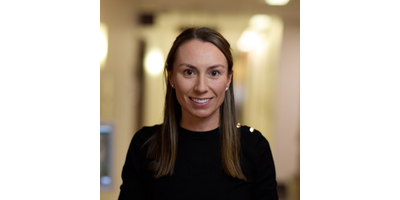
Dr Kate Hodgson
Kate is a neonatologist who trained in Melbourne and in Toronto, Canada. She completed her PhD at the University of Melbourne in 2022, investigating the use of nasal high-flow therapy during neonatal intubation. Her current research focuses on initial delivery room management and improving respiratory outcomes for babies born preterm. She is the co-lead for the BabyCCINO trial, which will study different caffeine citrate dosing to improve outcomes for very preterm infants.
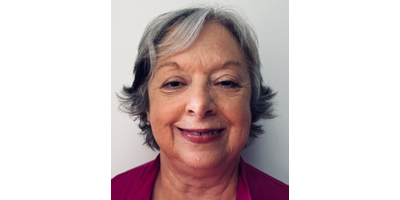
A/Professor Sue Jacobs
Sue is a Neonatal Paediatrician and Deputy Clinical (Medical) Director of Neonatal Services at the Royal Women’s, Melbourne. She trained in Melbourne, Sydney and Toronto, Ontario and completed her MD in 2010. The translation of Sue's past randomised trials into clinical care include the implementation of probiotics administration into routine clinical care for infants born less than 32 weeks' gestation and less than 1500 grams at birth, as well as hypothermia treatment in term and near-term newborns with moderate-severe hypoxic ischaemic encephalopathy in the neonatal intensive care, non-tertiary neonatal settings, during retrieval-transport and into government policy.
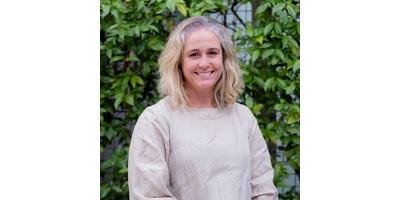
Ms Lisa Kalos
Lisa Kalos is a Registered Nurse and Midwife who completed a Postgraduate Certificate in Neonatal Intensive Care at the University of Melbourne in 2020. She has extensive experience in NICU, both as a clinical nurse and in the role of Care Manager, before joining the Newborn Research Team in 2022. Her work focuses on supporting research implementation, including explaining studies to parents, obtaining informed consent, and managing data collection and entry for ongoing trials. Lisa also provides education to clinical staff and advocates for families participating in research. In addition, she contributes to study development as a member of the Neonatal Departmental Research Advisory Group, reviewing studies prior to ethics submission.
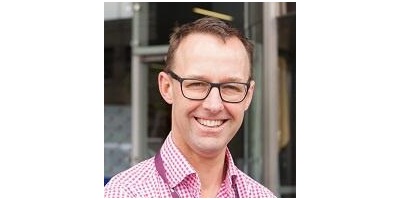
A/Professor Carl Kuschel
Carl is a neonatologist, a certified health informatician and the Chief Medical Information Officer for the Women’s EMR. Carl trained in Auckland, Sydney and Toronto. His research interests have included neonatal nutrition, ventilation, functional echocardiography and drug withdrawal. His current clinical interests are largely focused on applying health informatics to improve clinical care and outcomes.
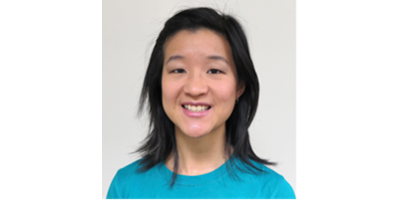
Dr Amanda Kwong
Amanda is a physiotherapist at the Royal Women's Hospital Newborn Follow-up clinic and a post-doctoral research fellow with the University of Melbourne and Murdoch Children’s Research Institute. Amanda's research interests are concerned with early detection and intervention of infants who are at high risk of cerebral palsy or movement difficulties. She is currently involved with early assessment and development studies, including developing the Baby Moves app in collaboration with Prof Alicia Spittle.
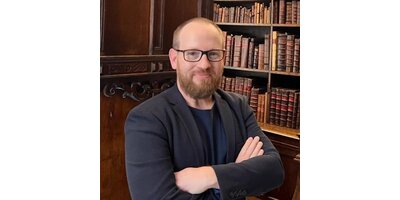
Professor Brett Manley
Brett is the Professor/Director of Newborn Research and a Consultant Neonatologist at The Mercy Hospital for Women and Mercy Perinatal in Melbourne, and a Professor in the Department of Obstetrics, Gynaecology and Newborn Health at The University of Melbourne.
Brett designs and conducts clinical trials to improve outcomes for newborn infants and has led or supervised multiple randomised trials in tertiary and non-tertiary centres. He recently led the international, multicentre PLUSS trial of intratracheal budesonide mixed with surfactant in extremely preterm infants. He is a Chief Investigator on the NHMRC Extremely Preterm Infant Centre for Research Excellence and co-leads the world-first PLATIPUS perinatal adaptive platform trial that aims to change the way we do perinatal clinical research. He is passionate about mentoring early career researchers to develop their own clinical research.
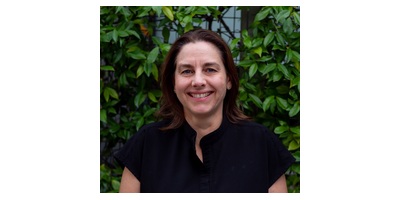
Ms Alison Martin
Alison is a Registered Nurse who completed her Neonatal Intensive Care course in 2020. She has worked at the Women’s Neonatal Intensive Care Unit since 2005, clinically, as an equipment nurse and currently a Clinical System Administrator (CSA). She joined the Newborn Research Team in 2023 and divides her time between the CSA role and research. Her role includes informing parents of possible studies and ensuring informed consent, data collection, entry and recording, liaising with, and educating, clinical staff and working with other stakeholders.
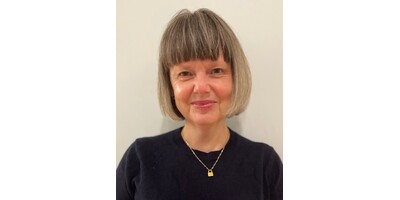
Dr Joy Olsen
Joy is an occupational therapist in neonatal services at the Women’s and a postdoctoral researcher within the Victorian Infant Brain Studies team. Her research focuses on early neurodevelopment, intervention and follow-up for infants born preterm.
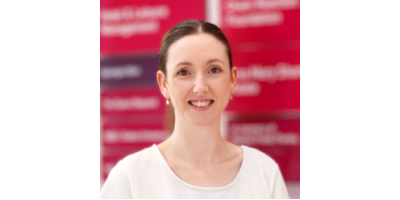
Dr Stacey Peart
Stacey is a Consultant Neonatologist at Monash Newborn and the Paediatric Infant Perinatal Emergency Retrieval Service (PIPER), having completed her training in Melbourne. She is also a research fellow in the Royal Women’s Hospital Newborn Research Department, where she is completing a PhD with the University of Melbourne addressing under-represented cohorts in neonatal clinical trials. Stacey has a keen interest in improving the care of the most preterm infants and their families. When she’s not juggling clinical work and research, she’s a mum to three young children.
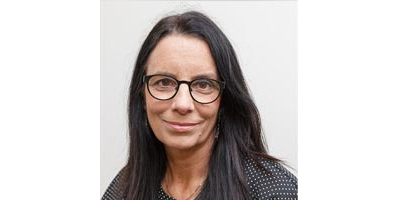
Dr Sheryle Rogerson
Sheryle is a Consultant Neonatologist at the Royal Women’s Hospital with a special interest in diagnostic and functional ultrasound. She trained in Adelaide, United Kingdom and Melbourne. Having completed her FRACP, MRCPCH DDU and CCPU she then spent 4 years in Malawi lecturing in the Malawi Medical College and working on infectious diseases and ultrasound. She is on the committee for the Certificate of Clinician Performed Ultrasound and the Board of Standards of Practice for the Australian Ultrasound Society. She educates the Fellows in Ultrasound and is a supervisor for the CCPU. Her main research is related to use of functional ultrasound in neonatology.
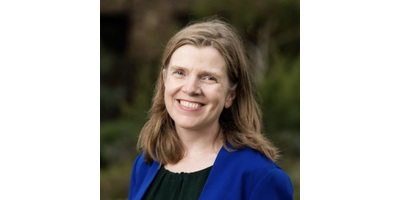
Professor Alicia Spittle
Alicia is a paediatric physiotherapist and international leader in early detection of motor impairments and early intervention for infants at high risk of developmental impairments. Alicia works clinically in the neonatal nursery and follow-up clinic at the Royal Women's Hospital in Melbourne and is a researcher at the University of Melbourne and Murdoch Children’s Research Institute. She is a member of the executive committee of the National Health and Medical Research Council Centre of Research Excellence in Newborn Medicine, as well as being the co-chair of the Policy & Practice Translation Subcommittee.
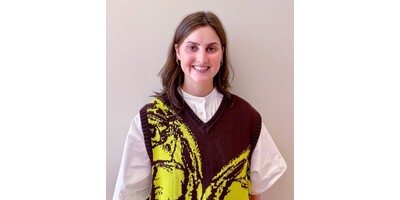
Ms Georgia Stephen
Georgia holds an honorary appointment at The Royal Women’s Hospital as a Doctor of Philosophy (PhD) candidate with the Department of Paediatrics at the University of Melbourne. Since arriving in Melbourne Georgia has been immersed in the field of neonatal respiratory medicine, completing her Bachelor of Biomedicine Honours’ thesis on the impact of invasive mechanical ventilation to the preterm diaphragm (awarded 2024). Through this work Georgia developed a desire to help improve respiratory outcomes for preterm babies, particularly during the transition from invasive to non-invasive respiratory supports (extubation). Her PhD project is dedicated to optimising extubation strategies to improve respiratory outcomes in very preterm infants. The primary element of Georgia’s PhD is a clinical trial: ‘Pre-Extubation Continuous Positive Airway Pressure in Very Preterm Infants: A Randomised Controlled Trial (PrePAP Trial)’, which will recruit participants from neonatal intensive care unit at The Royal Women’s Hospital. The PrePAP Trial aims to answer, in very preterm infants born <32 weeks’ gestation undergoing their first extubation, does extubation with prePAP (nasal continuous positive airway pressure [nCPAP] commenced before extubation), compared with extubation without prePAP (nCPAP commenced after extubation) improve oxygenation post-extubation?
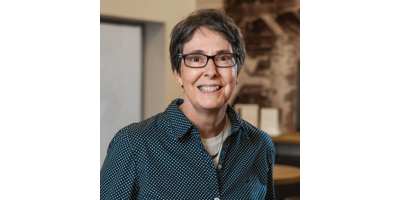
A/Professor Christiane Theda
Christiane is a Neonatologist and Medical Geneticist who joined the Women’s in 2009 after relocation from the USA. A native of Germany, Christiane had been at the Johns Hopkins University School of Medicine for almost 20 years. Her multiple degrees (MD PhD MBA) illustrate her diverse background in clinical medicine, laboratory research including biochemistry, cell biology and molecular genetics and leadership/administration. In addition to continuing involvement in clinical and basic science research, Christiane has recently taken on new roles as inventor and innovator in biomedical device development; this has led her being at the forefront of translational activities which bring together hospitals, academic institutions and start-up companies to drive local biomedical engineering innovation.
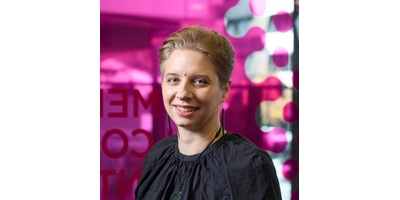
Dr Anna Tottman
Anna is a Neonatologist who trained in the UK, New Zealand and Australia. She has a special interest in early life nutrition, neurodevelopment, and the impact of early adversity on lifelong mental and physical health. She chairs the RWH Neonatal nutrition and feeding working group, and provides care to infants with prenatal drug and alcohol exposures in the First Thousand Days Clinic-Women’s Alcohol and Drug Service.
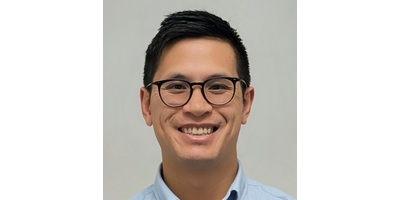
Dr Clement Trinh
Clem is a neonatologist who works at the Royal Women’s Hospital and with PIPER (Paediatric Infant Perinatal Emergency Retrieval) at the Royal Children’s Hospital. Clement also has an appointment at the University of New South Wales (UNSW) as a senior data scientist with the Australian and New Zealand Neonatal Network (ANZNN) data registry . His Master's thesis project was the development of a prototype benchmarking dashboard for the ANZNN. Clement’s special interest areas are in the development of digital decision support tools such as dashboards, and the use of programmatic techniques to optimise processes such as workforce roster generation.
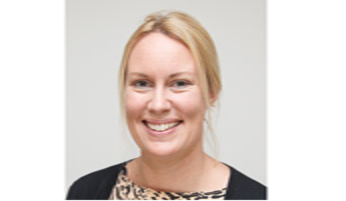
Dr Jennifer Walsh
Jennifer is a trained general paediatrician from Ireland who came to Melbourne in 2008 before completing peer review in neonatal medicine. She completed an MD entitled "Neuroimaging and Neurobehaviour in Moderate and Late Preterm Infants". She currently works as a Consultant in the Neonatal Intensive and her main research focus is on the care of the Tiny Baby and quality improvement initiatives that standardise the care of this vulnerable cohort.
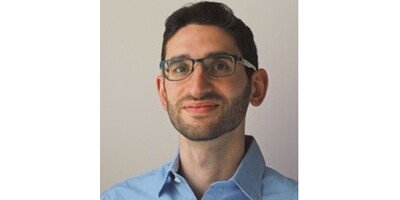
Dr Amir Zayegh
Amir is a consultant Neonatologist who trained in Melbourne and Oxford. He has completed a Masters in Practical Ethics at the University of Oxford, and is currently undertaking a PhD in research ethics, with a focus on informed consent for perinatal clinical trials. His clinical and research interests include ethical issues in the neonatal intensive care, and functional echocardiography in the neonate.